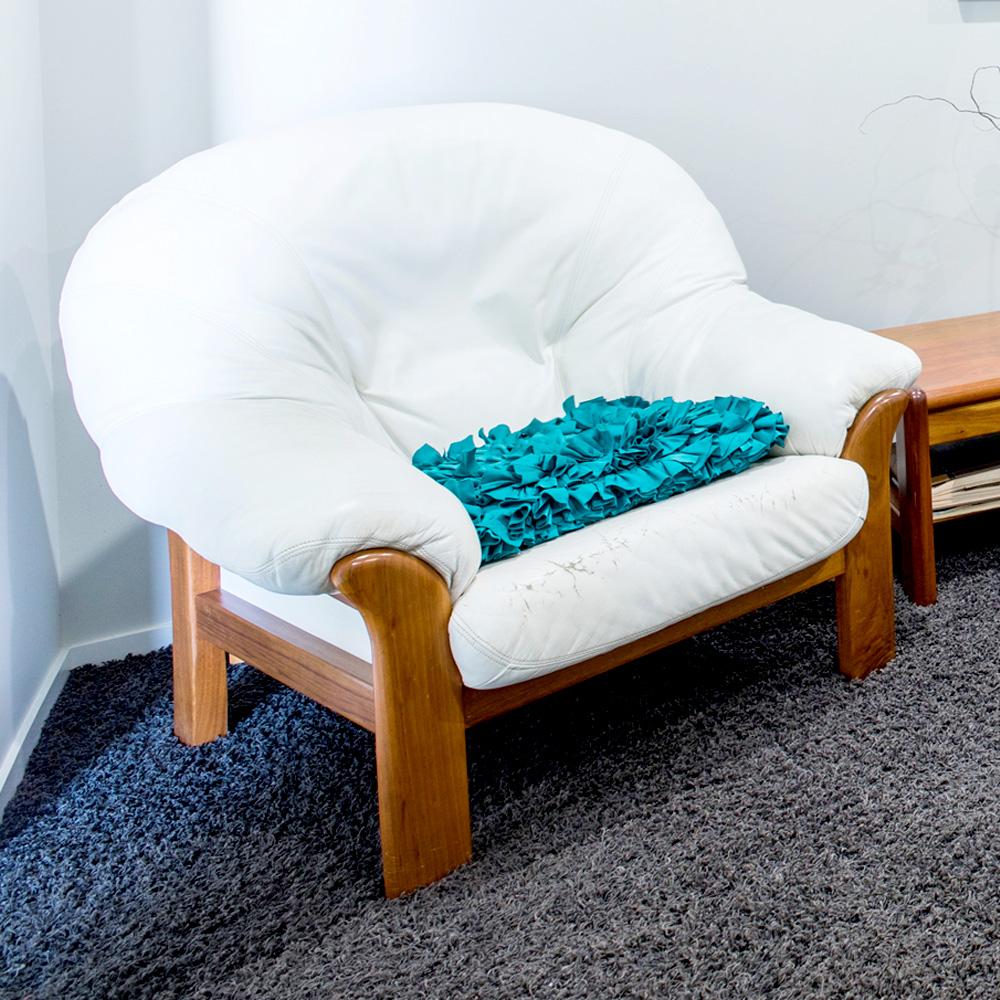
Owning teak wood furniture is a true investment. Known as the “King of Woods,” teak possesses incredible natural resistance to termites and weather elements, thanks to its high natural oil content. It is no surprise that restoring vintage furniture made of teak is a popular practice, as these pieces are often passed down through generations.
However, no matter how durable the material is, proper teak wood care is essential to preserve its natural sheen and prevent it from looking dull or cracking. Whether you own an intricately carved chair or a modern minimalist dining table, here are the simple steps to maintain your furniture so it remains stunning for decades.
- Daily Routine: Keep it Dust-Free
The main enemy of wooden furniture is the accumulation of dust mixed with humidity. Over time, this mixture can make the wood surface dull and sticky.
- Use Microfiber Cloths: Avoid feather dusters, which can scratch the delicate finish. Use a soft, dry microfiber cloth to wipe away dust daily.
- Follow the Grain: When wiping, always move your hand in the direction of the wood grain. This helps lift dirt trapped in the crevices of the texture without damaging the surface.
- Cleaning Stubborn Stains
If your indoor teak furniture gets exposed to food spills or sticky substances, a dry wipe won’t be enough.
- Mild Soap Solution: Mix a small amount of mild dish soap or baby soap with warm water.
- Damp, Not Soaked: Dip a soft cloth into the solution and wring it out until it is just damp (not dripping). Gently wipe the stain.
- Dry Immediately: Immediately wipe the area again with a clean, dry cloth. Never let water pool on the teak surface as it can leave permanent water stains.
- Specialized Care: Indoor vs. Outdoor
Maintaining teak furniture requires different approaches depending on where it is placed.
- Indoor Teak: Apply teak oil or a high-quality furniture polish (like lemon oil or beeswax) every 3–6 months. This nourishes the wood and restores its luxurious, warm golden-brown glow.
- Outdoor Teak: When exposed to the elements, outdoor teak will naturally turn a silvery-gray color due to UV oxidation. This is normal and called patina.
- If you like the gray look: Simply clean with soapy water and a soft brush occasionally.
- If you want to keep it brown: You must lightly sand the surface and apply a specific “Teak Sealer” (not varnish) with UV protection once a year.
- Avoid Extreme Environments
Although teak is solid, drastic temperature changes are the enemy of solid wood furniture care.
- Keep Away from AC/Heaters: Do not place teak cabinets or tables directly in front of air conditioning vents or next to fireplaces/heaters. Air that is too dry or too cold can cause the wood to shrink, warp, or crack.
- Avoid Direct Sunlight (Indoors): UV rays penetrating through glass windows can fade the finish of indoor furniture. Use sheer curtains to filter the light.
- How to Remove Water Rings
We often forget to use coasters, resulting in those dreaded white rings on teak tables. Don’t panic; you can fix this with household items:
- Toothpaste Hack: Apply non-gel white toothpaste to a soft cloth and gently rub the stain until it lifts.
- Iron and Cloth Method: Place a thick cotton towel over the water stain. Run a hot iron (no steam) over the towel for a few seconds. The heat will draw out the moisture trapped in the finish.
Pro Tip: Never use all-purpose cleaners containing ammonia or harsh solvents on teak wood. These chemicals will strip away the wood’s natural oils and damage the finish permanently.
Conclusion
Cleaning teak wood is not complicated; consistency is the key. By keeping dust at bay and providing occasional oil nourishment, your teak furniture will not just be a functional item, but a piece of art that increases in value over time.
Treat your teak well, and it will beautify your home for a lifetime.