The furniture industry is projected to remain one of the most promising sectors in 2026. Growing housing needs, shifting consumer lifestyles, and the rapid rise of online shopping are driving strong development in both domestic and international markets. Today’s consumers are not only looking for visual appeal, but also functionality, sustainability, and personalized experiences in every product they purchase.
- Global Demand Continues to Rise
The year 2026 is expected to see significant growth in global furniture demand. Developing regions such as Asia, the Middle East, and Eastern Europe will contribute greatly to market expansion. Indonesia also holds strong export opportunities, especially as natural and tropical-inspired designs gain popularity worldwide.
- Eco-Friendly Materials Become Mainstream
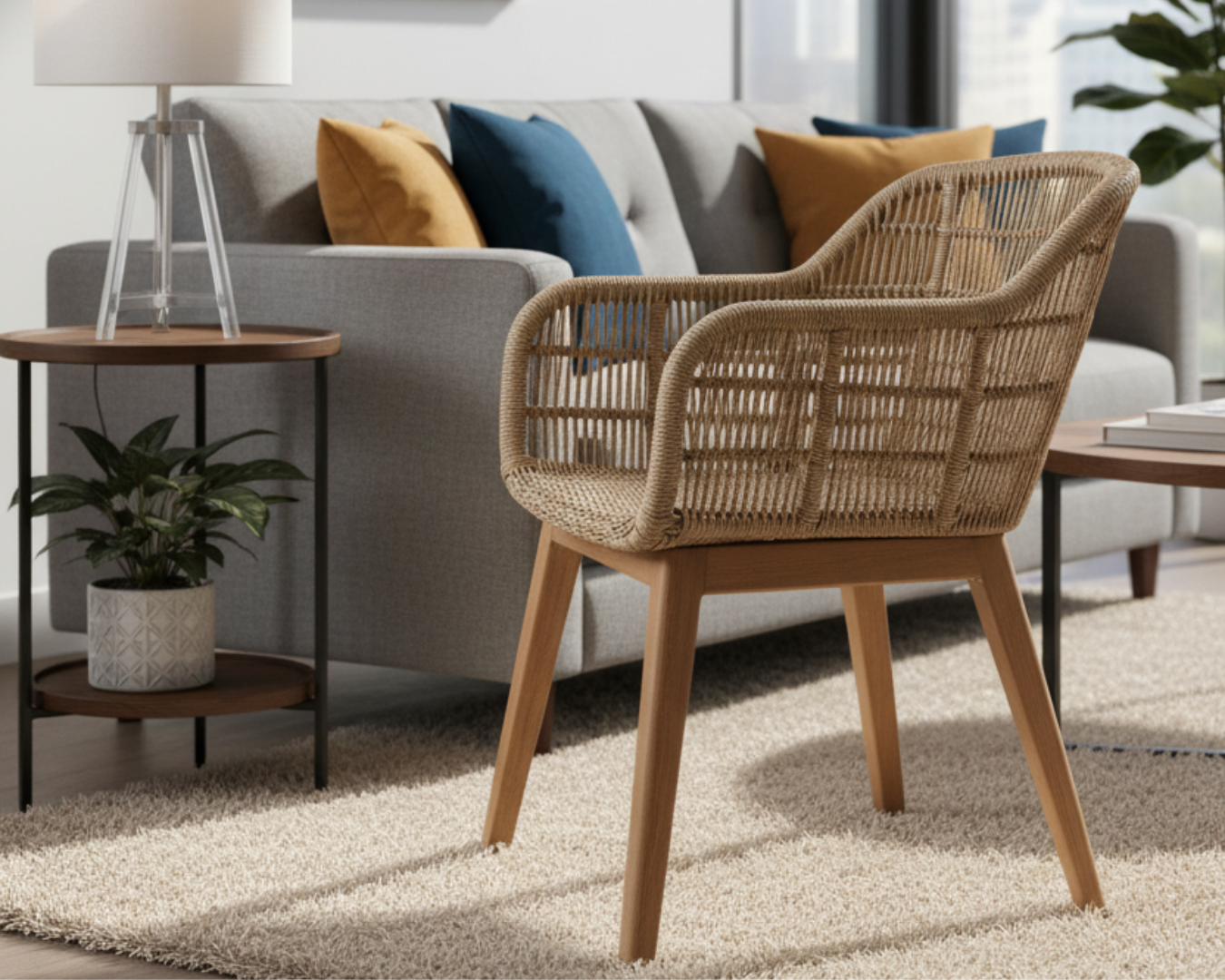
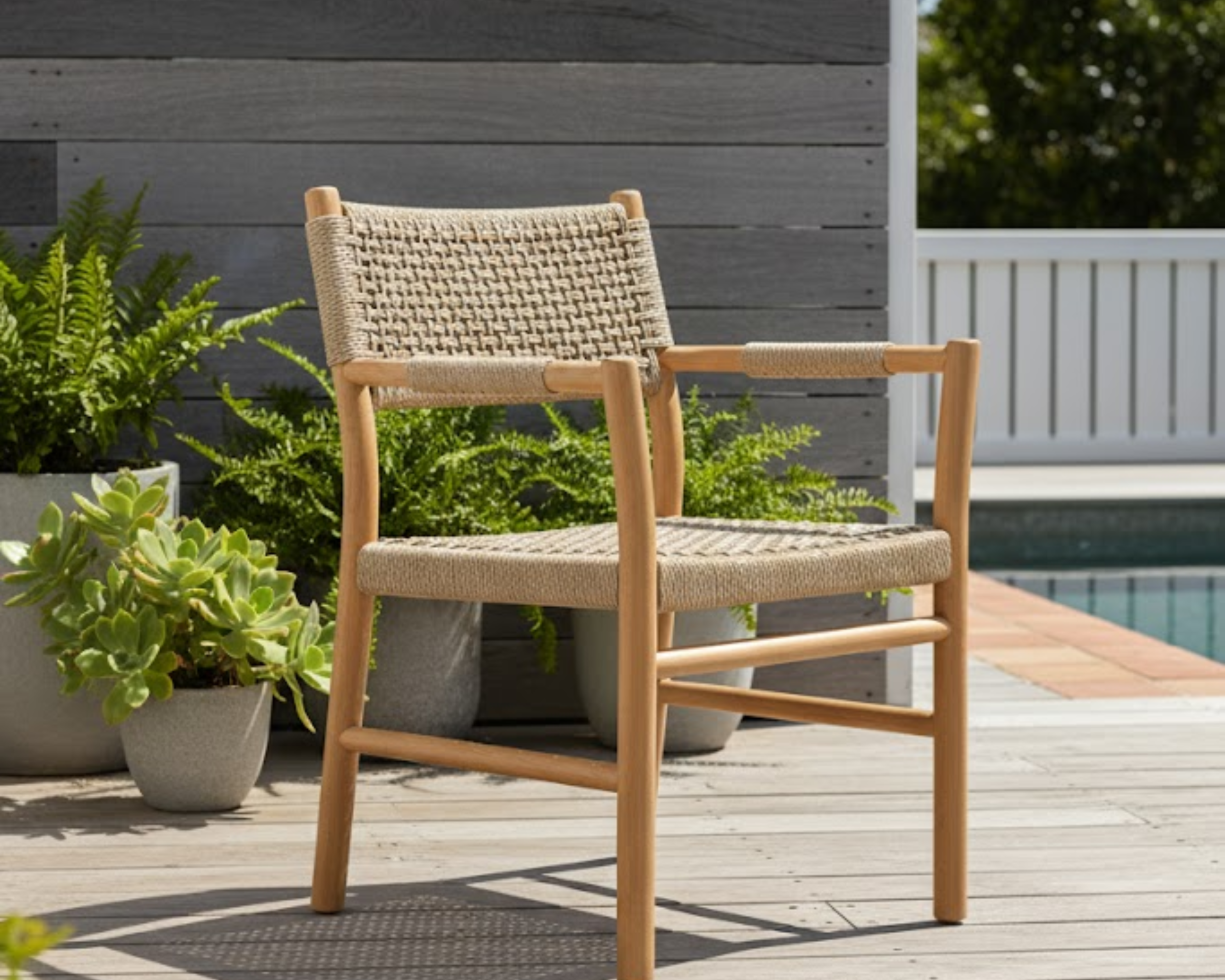
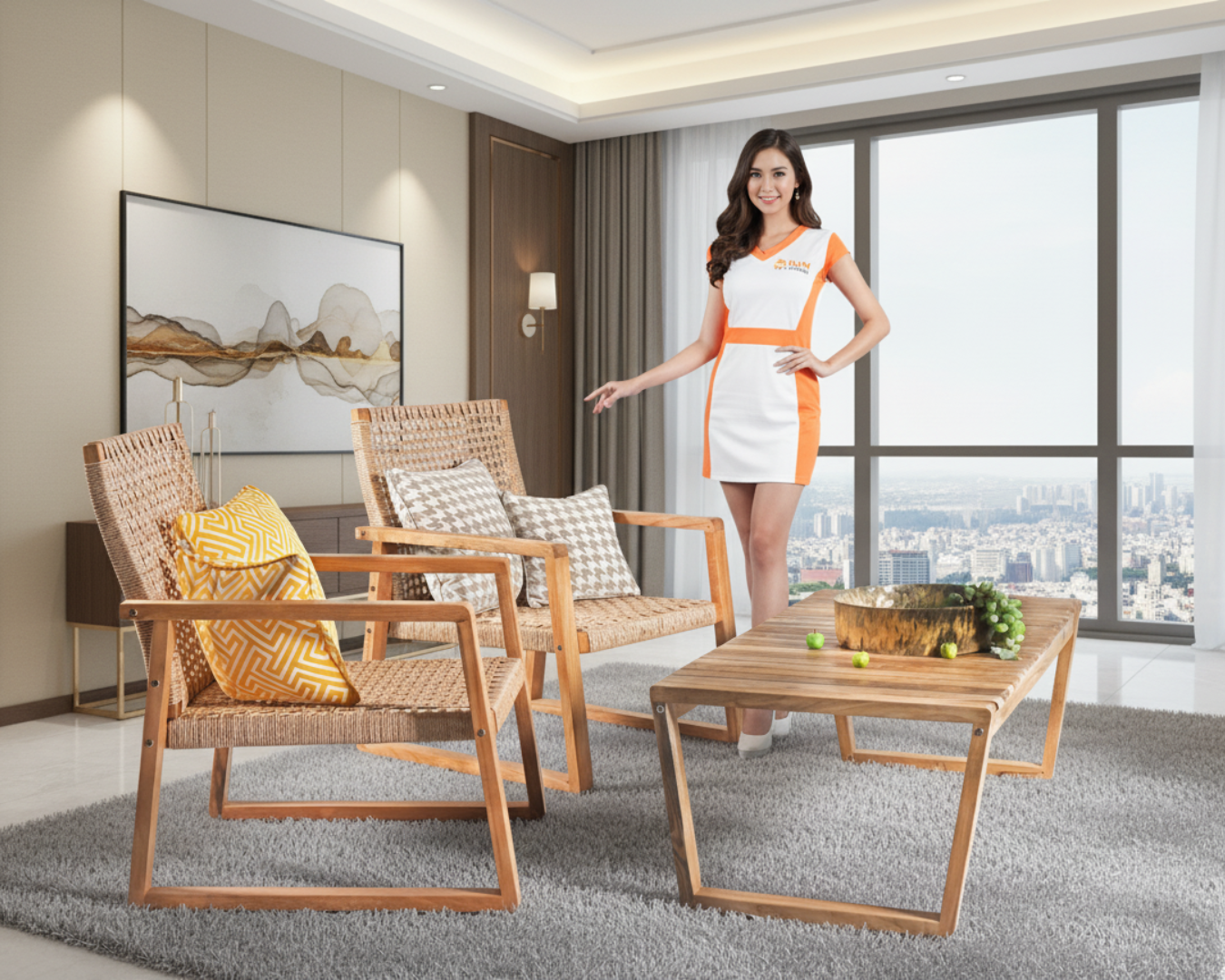
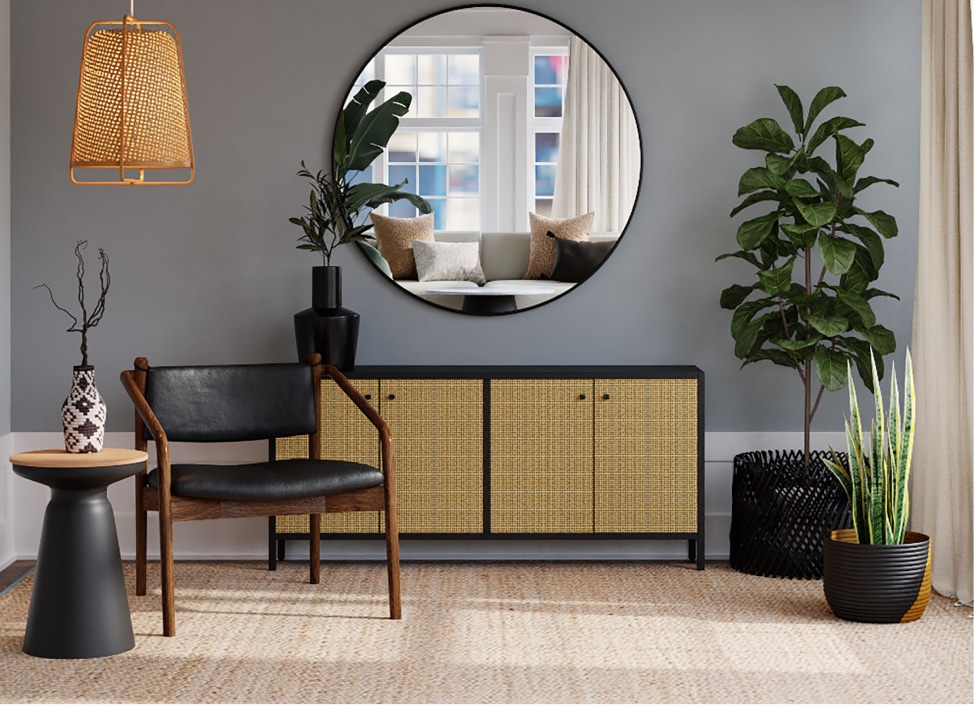
Growing environmental awareness is pushing consumers toward more sustainable choices. Furniture made from bamboo, rattan, certified wood, and recycled materials is predicted to dominate the market in 2026. Beyond sustainability, these materials also offer a warm and natural aesthetic that aligns with current interior trends.
- Smart Furniture Adoption Accelerates
Technological advances and the rapid growth of smart homes are expected to fuel the development of smart furniture. Examples include:
- Desks equipped with wireless charging and lighting control
- Security cabinets with built-in sensors
- Adjustable beds or sofas with automated positioning
These products cater especially to young professionals seeking efficiency and comfort in one solution.
- Custom Furniture Takes the Lead
Modern buyers increasingly want furniture that reflects their personality and specific needs. As a result, the made-to-order or custom furniture market is expected to expand rapidly. 3D modeling and digital measurement technologies now allow customers to visualize the final product before production, leading to:
- Reduced design errors
- Faster production
- Higher customer satisfaction
- E-Commerce Drives Industry Growth
Furniture purchasing behavior has changed significantly. While people once needed to visit a showroom, today:
- Customers can choose styles, colors, sizes, and even view digital simulations online
- International sales channels are easier than ever
- Marketing costs are more efficient
By 2026, many brands are predicted to reduce large physical outlets and shift investments toward digital sales platforms.
- Minimlist Design Remains Dominant
Minimalism is set to continue as a leading global interior trend. Clean, simple, and multifunctional designs suit the lifestyles of urban residents living in compact homes and apartments. Popular multifunction pieces include:
- Sofa beds
- Folding tables
- Storage beds
These products will be increasingly common in both residential spaces and modern offices.
Conclusion
The year 2026 presents a bright future for the furniture sector. With lifestyle shifts, digital market expansion, and increasing demand for sustainability, brands that innovate stand to lead the industry. Focusing on quality, technology, and customer experience will be the key strategies for winning the competition ahead.